At 5,895 metres, Kilimanjaro is the highest mountain in Africa and the tallest free-standing mountain in the world. You can climb it all year round. But the weather on the mountain makes a big difference to your comfort, your views and your chance of reaching Uhuru Peak. Here is what our Arusha team tells climbers when they ask about timing.
The best months to climb
- Late June to October: the main dry season. Clear skies, cold nights and the busiest trails. August and September are the most popular months.
- January to early March: also dry, slightly warmer and quieter than mid-year. There is a good chance of snow on the summit, which makes for beautiful photos.
Months to think twice about
- April and May (long rains): heavy rain on the lower slopes, muddy trails and cloudy views. Climbs still run and the mountain is very quiet, but it is harder going.
- November (short rains): more changeable weather with afternoon showers. Good for climbers who want fewer people and can handle wet days.
Weather on the mountain
Kilimanjaro has its own climate zones, from rainforest at the gate to arctic conditions at the top. Whatever the month, expect warm days in the forest and temperatures well below freezing on summit night, often around minus 10 to minus 20°C with wind chill. Good layers and a warm sleeping bag are essential in any season.
Full moon climbs
Some climbers like to time summit night with a full moon, when the slopes are lit up and you barely need a head torch. It is a special experience, but those dates book out early.
Which route for which season?
- Rongai Route approaches from the north, which is drier. A good choice in the rainy months.
- Machame Route is scenic and popular, with good acclimatisation over 7 days. Best in the dry seasons.
- Lemosho Route is quieter and very beautiful. The 8-day version gives one of the best summit success rates.
- Marangu Route is the only route with hut accommodation, which some climbers prefer in wetter months.
Our honest advice
The month matters less than the number of days. More days on the mountain means better acclimatisation and a much better chance of reaching the summit safely. We usually recommend at least 7 days, and 8 on Lemosho if you can.
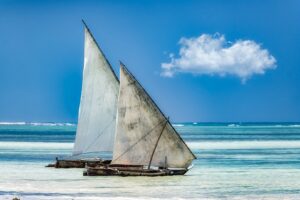
Many guests combine the climb with a few days on safari or a rest in Zanzibar afterwards. See our best time to visit Tanzania guide to line it all up, and our tipping guide to budget for your mountain crew.
Ready to pick your dates? Send us your request or WhatsApp our team.