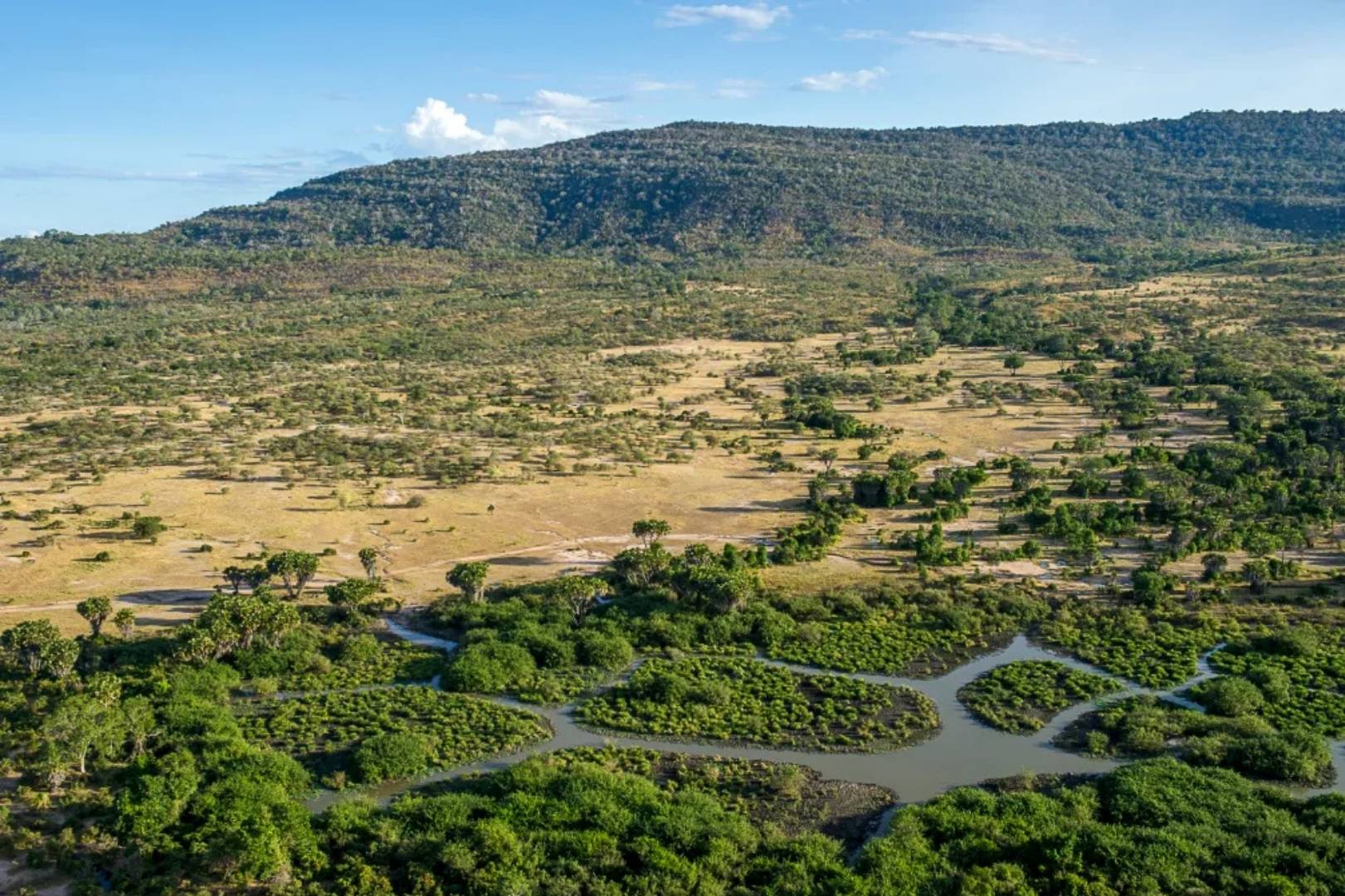
Nyerere National Park is a place of superlatives. Carved from the legendary Selous Game Reserve, it stands as Africa’s largest national park, covering more than 30,000 square kilometers of pristine miombo woodland, open savannah, and riverine forest. This is Tanzania’s newest national park, yet its wilderness feels ancient untamed, sprawling, and gloriously wild.
Named in honor of Julius Nyerere, the father of the nation who championed conservation, this park represents a new chapter for one of Africa’s most important protected areas. Unlike the busy northern circuit, Nyerere offers a safari experience defined by solitude and scale. Here, you can spend an entire day on the Rufiji River without seeing another boat, track a pride of lions across open plains that seem to stretch to the horizon, or listen to the night from a bush camp where the only light comes from the stars.
Nyerere is one of the best places on the continent to see the African wild dog. These endangered predators, with their mottled coats and remarkable pack cohesion, thrive in the park’s vast, undisturbed spaces. Seeing a pack on the hunt silent, coordinated, relentless is a privilege that few safari destinations can offer with such regularity.
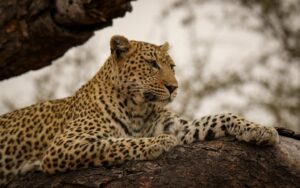
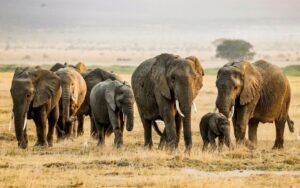
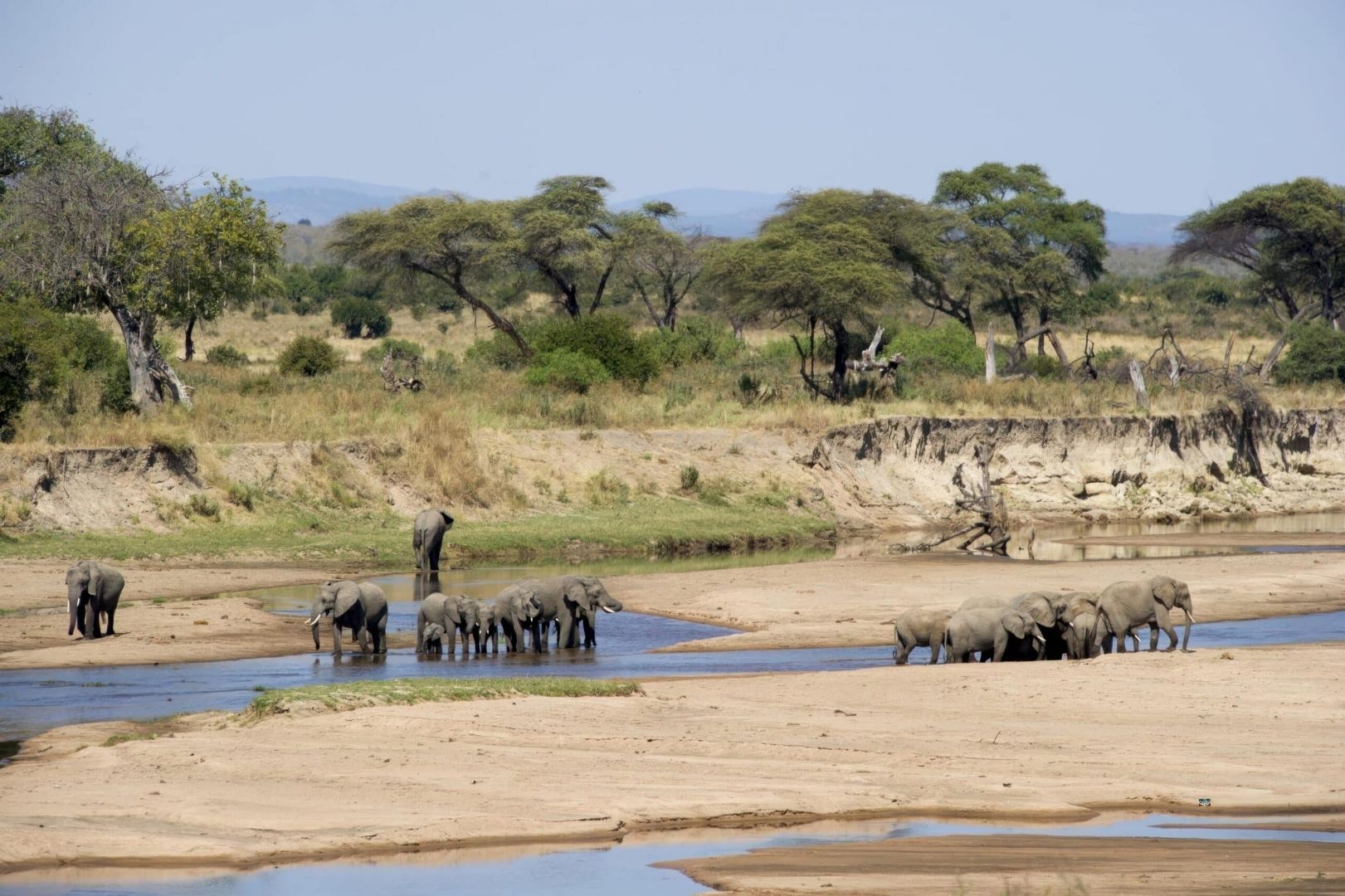
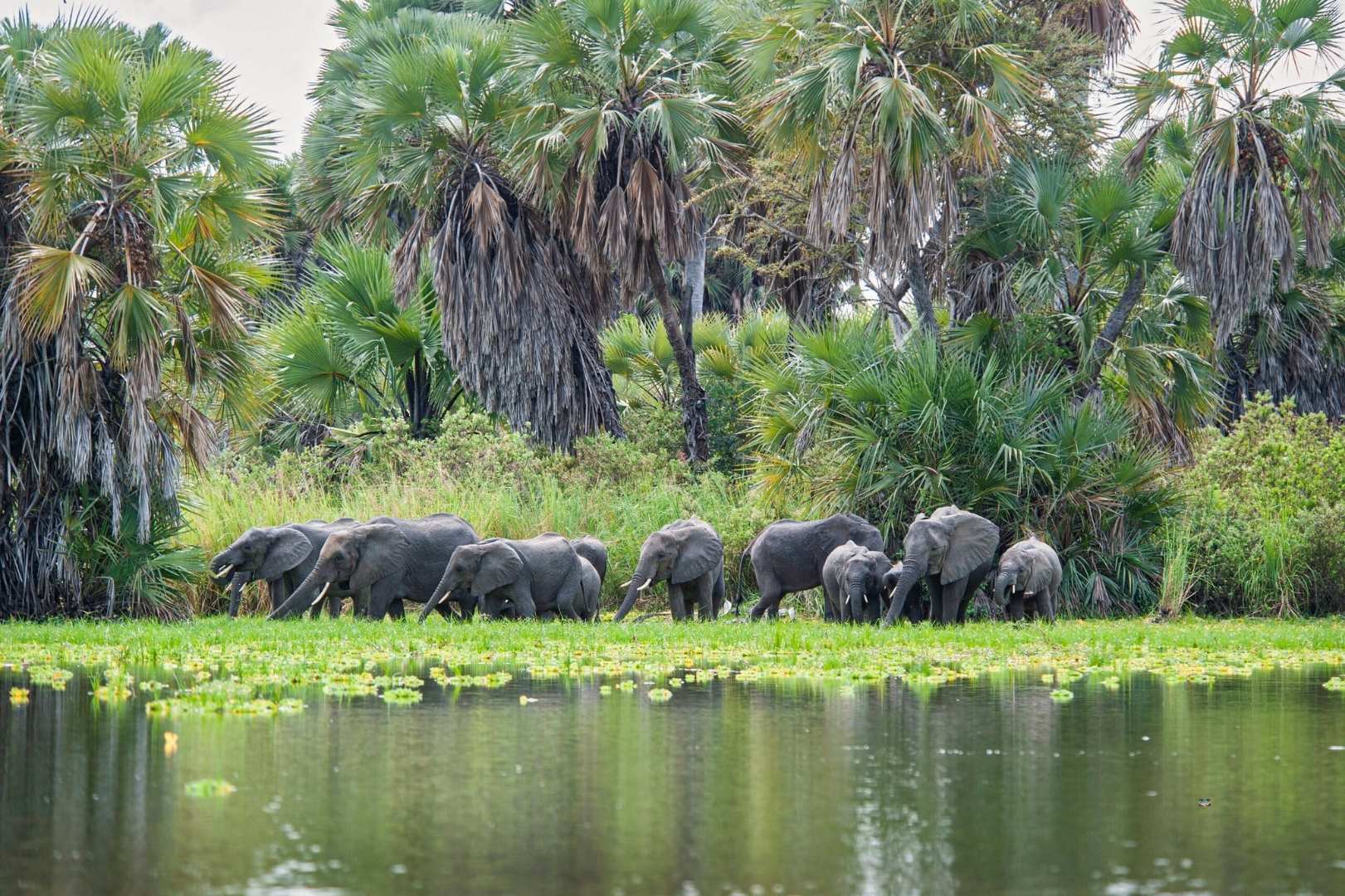
But the wild dogs are only part of the story. The Rufiji River is the lifeblood of the park, drawing wildlife in staggering numbers during the dry season. Hippos crowd the channels by the hundreds, their grunts and bellows echoing across the water. Crocodiles haul themselves onto sandbanks, prehistoric and patient. Elephants move through the riverine forests, often crossing the channels with only their trunks breaking the surface. Lions, leopards, and spotted hyenas patrol the woodlands and grasslands, while large herds of buffalo, zebra, and greater kudu graze in the open areas.
The birdlife is exceptional. Over 440 species have been recorded, from the immense martial eagle to the brilliant lilac breasted roller, from the ground hornbill stalking through the grass to the African skimmer skimming the Rufiji’s surface at dusk.
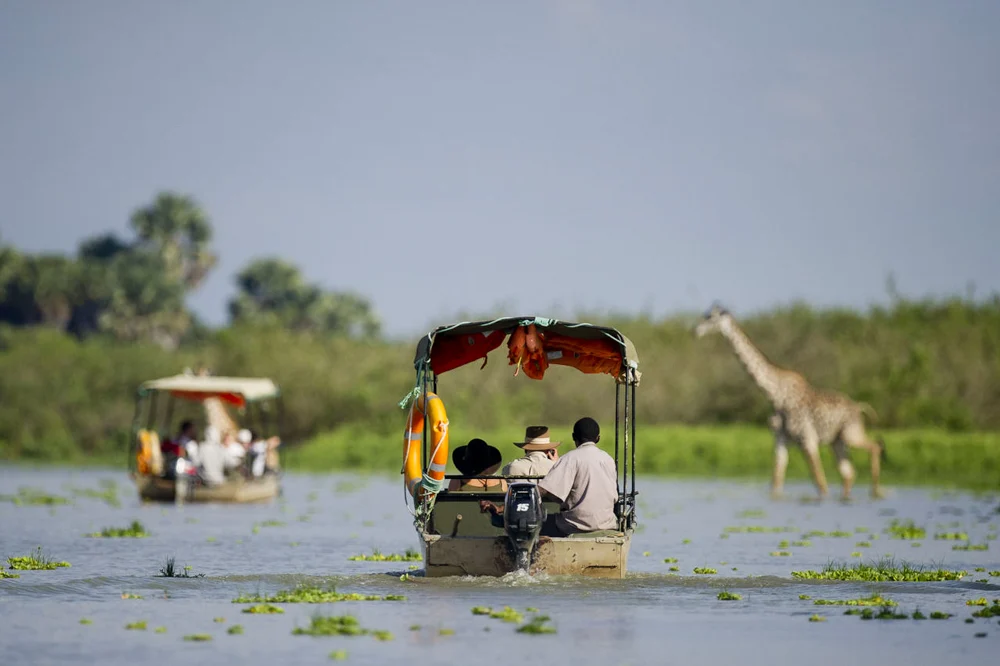
What sets Nyerere apart is its diversity of habitats and the sheer scale of it all. The Rufiji River is not merely a feature of the park; it is the heart. This vast, meandering waterway splits into channels, lakes, and lagoons, creating a watery wilderness that supports a density of life rarely seen elsewhere. Boat safaris along the Rufiji offer a different perspective floating past pods of hippos, watching elephants drink from the banks, and witnessing the golden light of sunrise turn the water to fire.
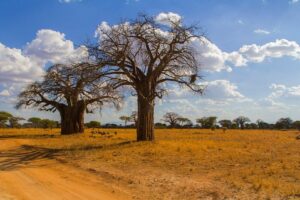
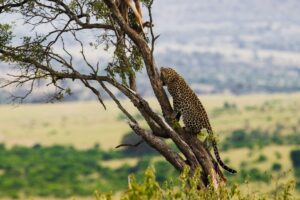
Beyond the river, the landscape shifts. Rolling hills of miombo woodland cover much of the park, their twisted trees and rocky outcrops providing refuge for sable antelope, eland, and the elusive leopard. Open savannah stretches toward the horizon, dotted with palms and acacia, where zebras and wildebeest gather. Hot springs bubble up in quiet corners, and seasonal lakes attract flocks of waterbirds that darken the sky.
The dry season, from June to October, is the prime time for wildlife viewing as animals converge on the Rufiji and its tributaries. But the green season brings its own magic: the landscape turning lush, migratory birds arriving from across the continent, and the experience of having one of Africa’s greatest wilderness areas nearly to yourself.
Few places on earth offer this combination of scale, solitude, and wildlife abundance. Fewer still make you feel, with every mile you travel, that you have stepped into an Africa that remains truly wild.
Plan Smarter.

Why Tanzania is Africa’s ultimate safari destination: the Serengeti, Ngorongoro, Kilimanjaro and Zanzibar, plus how long to stay and when to go.

When to visit Zanzibar: month-by-month weather, the best time to combine a safari and beach holiday, where to stay and travel tips.

What to expect from meals on a Tanzania safari, local dishes worth trying, drinks, special diets and food on Kilimanjaro.