Zanzibar Islands

Zanzibar’s Spice Islands & Swahili Soul

Zanzibar is not a national park, but it is a destination that lingers in the memory long after the sand has been washed from your feet. An archipelago floating off Tanzania’s coast, its main islands Unguja and Pemba have drawn traders, explorers, and dreamers for centuries. Stone Town, the historic heart, is a labyrinth of coral stone alleys, carved wooden doors, and echoes of sultans and spice merchants.

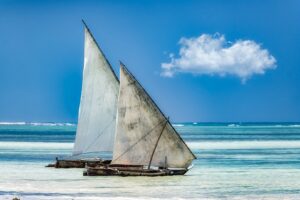
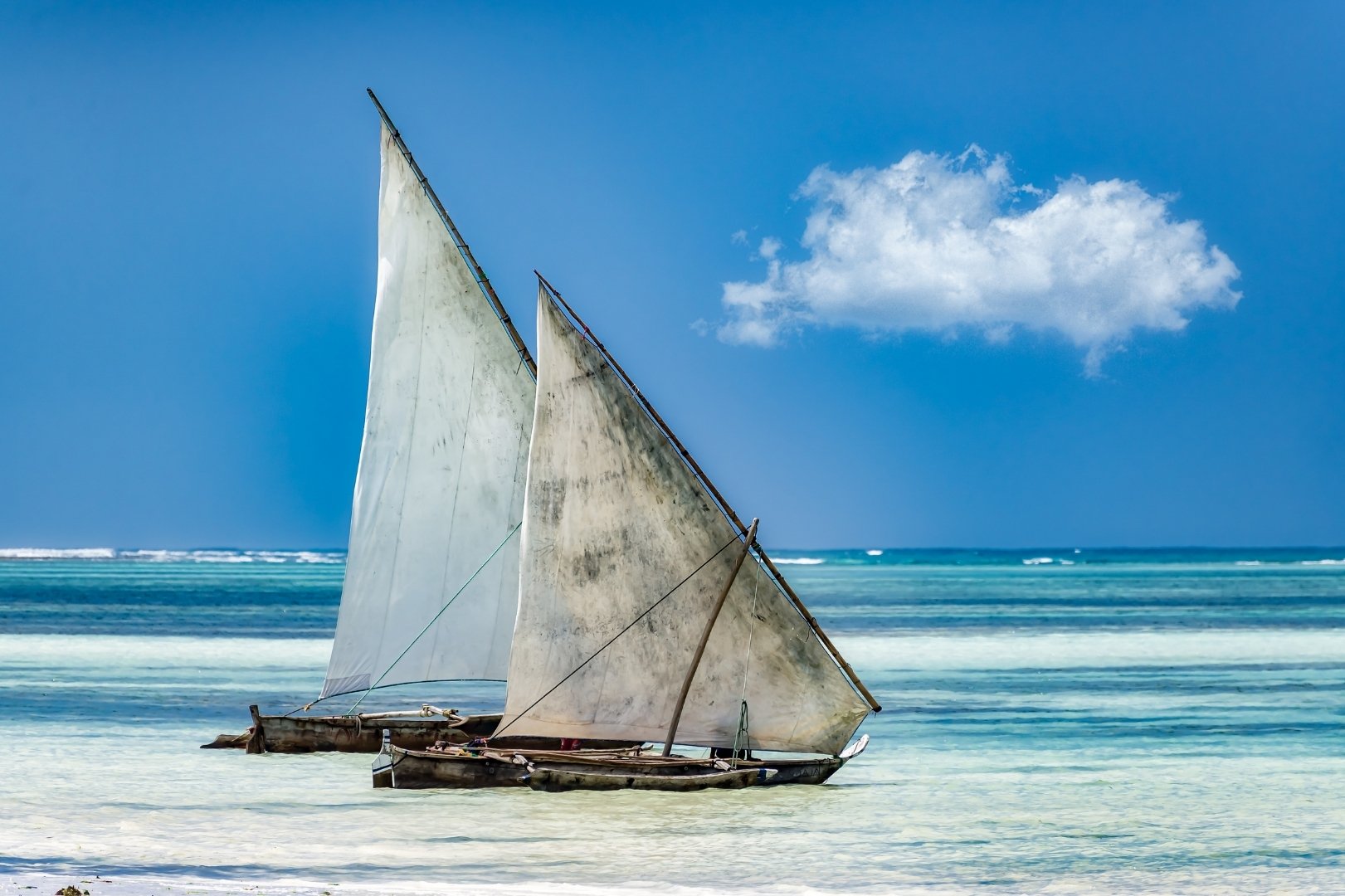
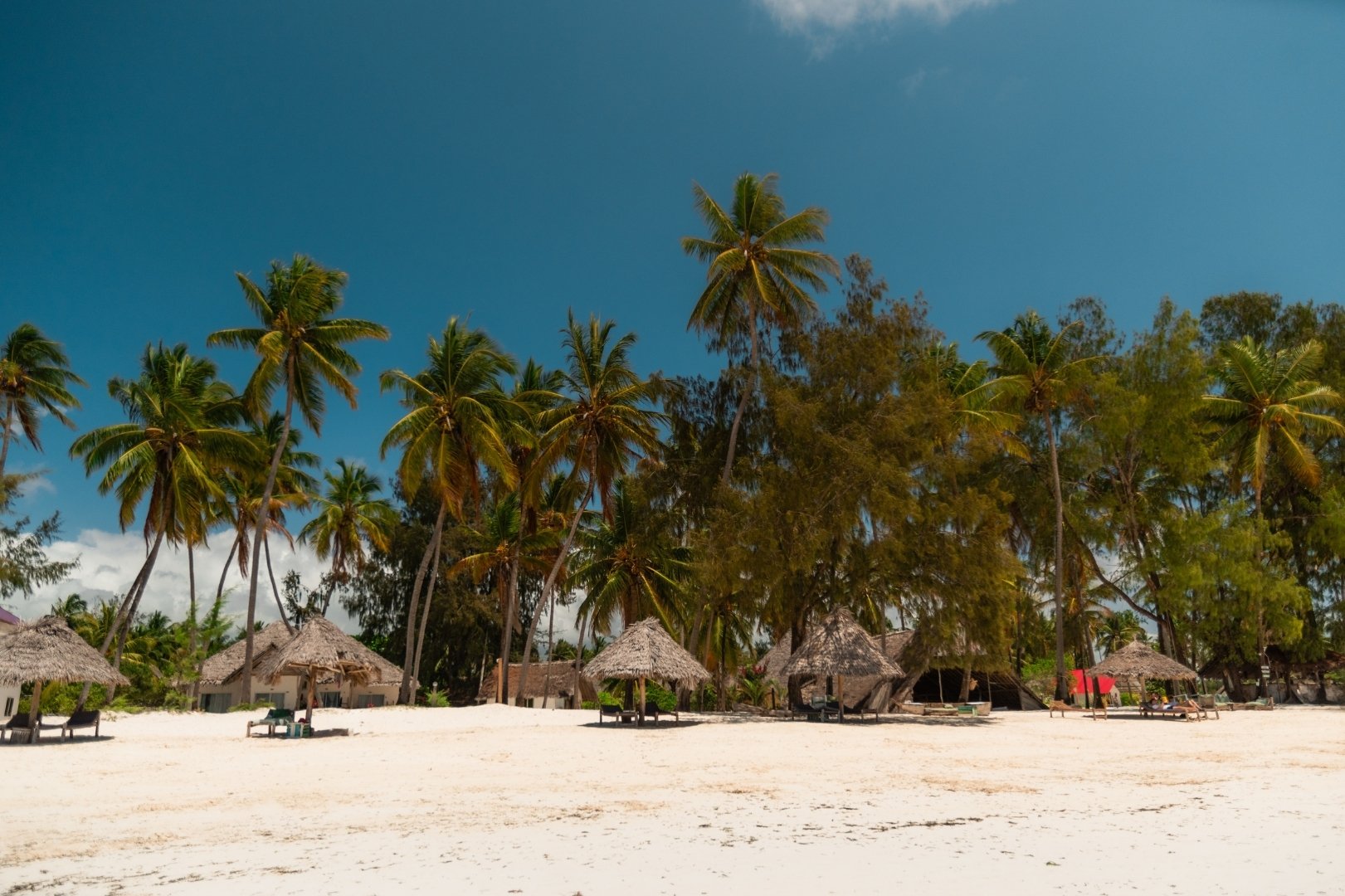
Beyond the narrow streets lies a different Zanzibar: palm fringed beaches, turquoise lagoons, and coral reefs teeming with life. Here, Swahili culture pulses through every meal, every greeting, every call to prayer that drifts across the rooftops. It is a place where the pace slows to the rhythm of the tides, and the biggest decision you face is whether to spend the morning snorkeling, exploring a spice farm, or simply watching the dhows sail into the sunset.

Wildlife Beyond The Beaches

Zanzibar’s wildlife is best discovered in the water and in the forests. The archipelago is surrounded by coral reefs that shelter a dazzling array of marine life. Snorkelers and divers swim alongside angelfish, parrotfish, moray eels, and the occasional hawksbill turtle. Dolphins are frequent visitors to the waters off the south coast, often seen in pods playing in the wake of traditional wooden dhows. From July to October, humpback whales pass through the channel, their breaches sending plumes of spray into the air.

On land, the most famous resident is the Zanzibar red colobus monkey, a rare primate found only on this archipelago. Jozani Forest, a protected area of groundwater forest and mangrove swamp, offers the best chance to see these striking monkeys with their chestnut coats and expressive faces. Bushbabies emerge after dark, and the forest is alive with birdlife the palm‑nut vulture, the Zanzibar sombre greenbul, and the bright flashes of the malachite kingfisher.

The surrounding mangroves and tidal flats attract wading birds, crabs, and the remarkable mudskipper, a fish that seems as comfortable on land as in the water. It is a quieter wildlife experience than the savannah, but no less captivating.

Landscape & The Spice Plantations

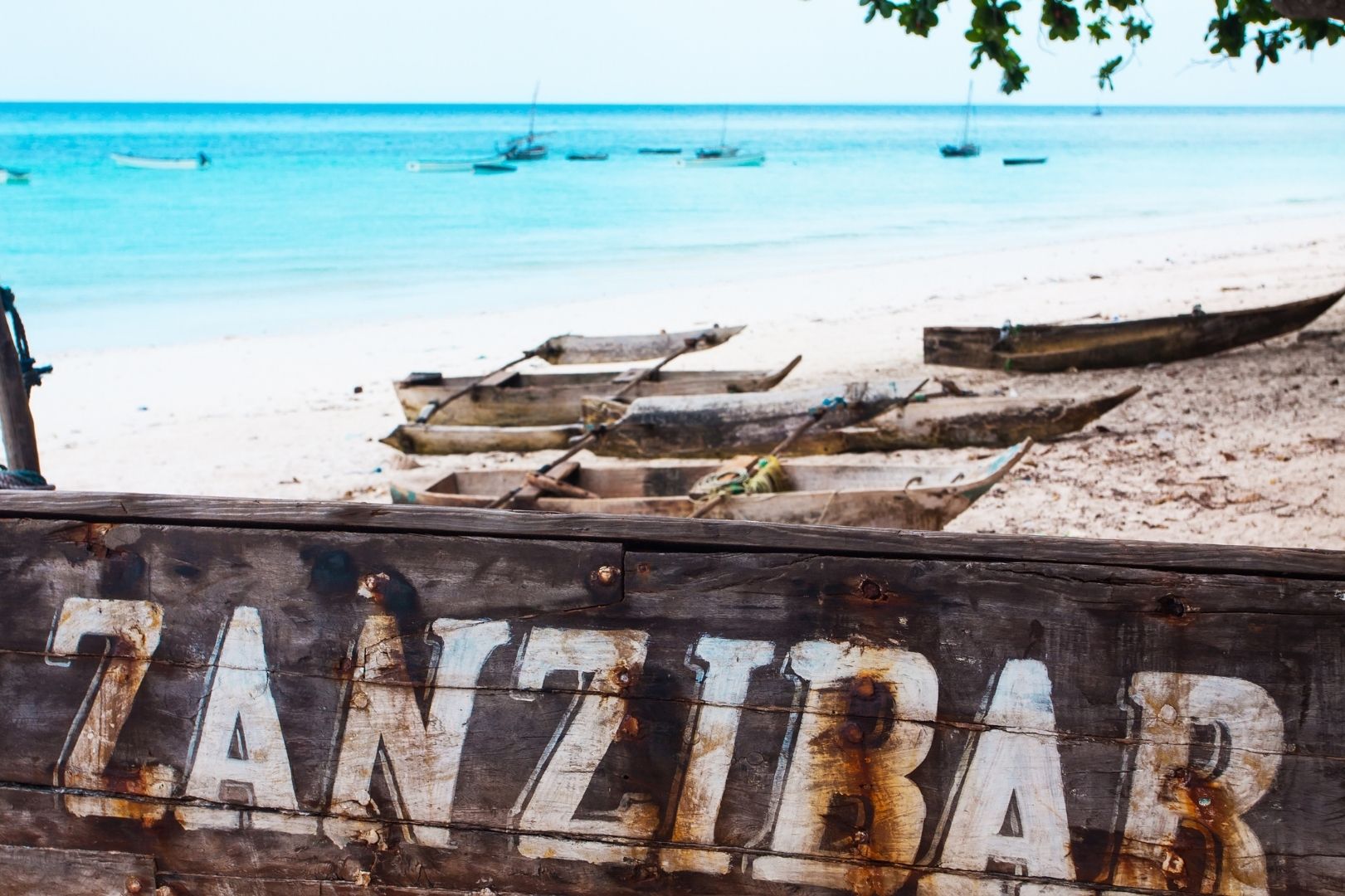
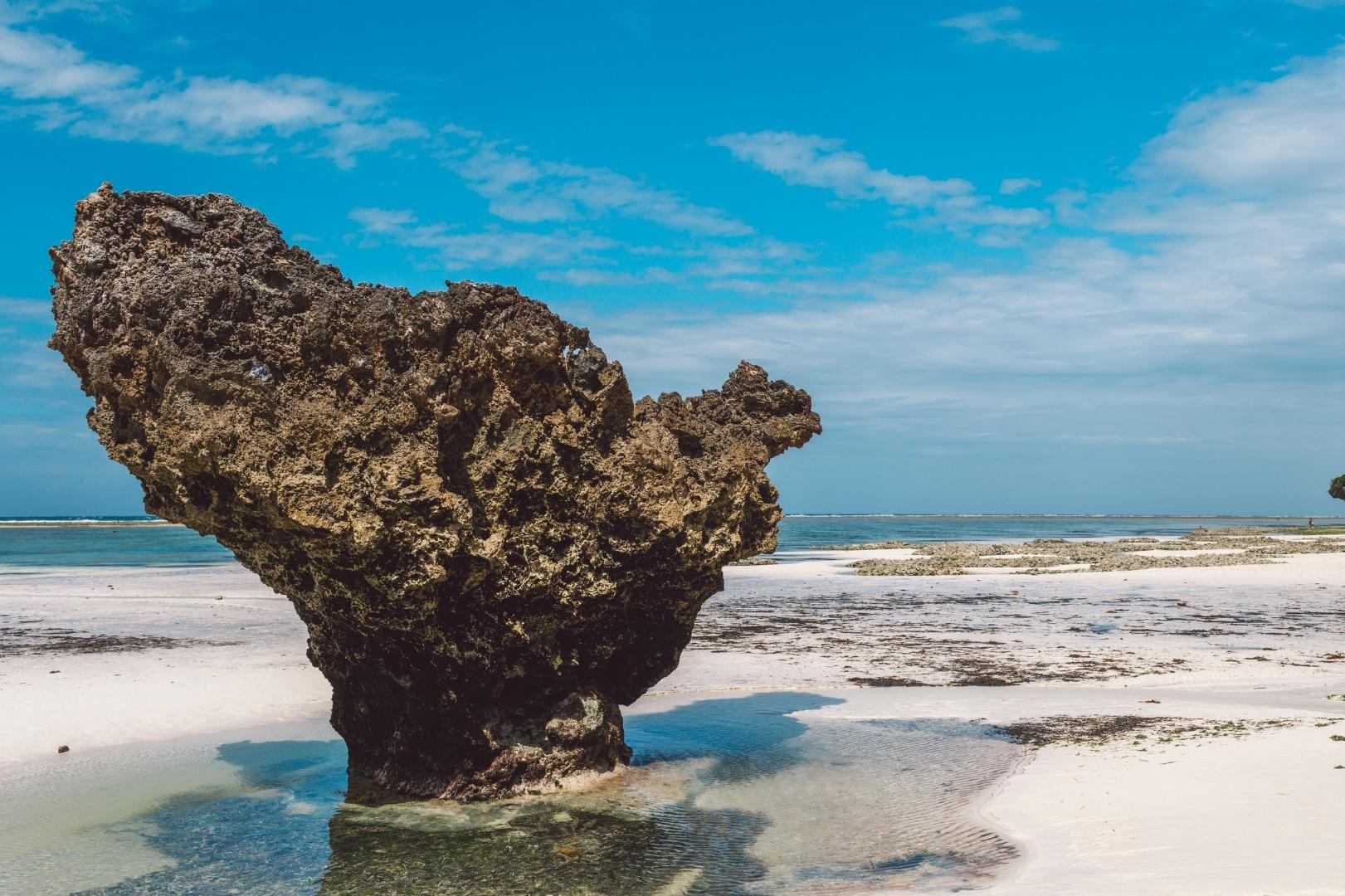
Zanzibar’s landscape is a tapestry of contrasts. The north and east coasts offer wide, white sand beaches lapped by turquoise water, where the tide reveals sandbars that stretch for hundreds of meters. The west and south coasts are shaped by coral coves, traditional fishing villages, and the busy harbor of Stone Town, where dhows still unload their catch each morning.

Inland, the island reveals its nickname: the Spice Island. The rolling hills are carpeted with clove trees, nutmeg, cinnamon, vanilla, and black pepper. Walking through a spice plantation is a sensory experience your guide pulls a leaf for you to crush, hands you a ripe vanilla pod, and points out the subtle differences between wild and cultivated cardamom. The scent follows you for the rest of the day, a reminder of Zanzibar’s centuries‑old role in the global spice trade.

Stone Town itself is a living museum, its architecture a blend of Swahili, Arab, Persian, Indian, and European influences. The narrow streets open onto bustling markets, seaside squares, and hidden courtyards. The call of the muezzin mingles with the sound of vendors selling fried cassava and freshly squeezed sugar cane juice.

Few places weave together culture, coastline, and nature so seamlessly. Fewer still leave you feeling like you have stepped into a story that has been unfolding for a thousand years.
Plan Smarter.

Helpful Tanzania Travel Guides