When you travel with Porini Catchers, you’re not just booking a safari you’re investing in an experience built to stay with you long after you’ve left the bush.
Contact Us for more information through:
WhatsApp: +255 784 288 741
Email : info@porinicatchers.com
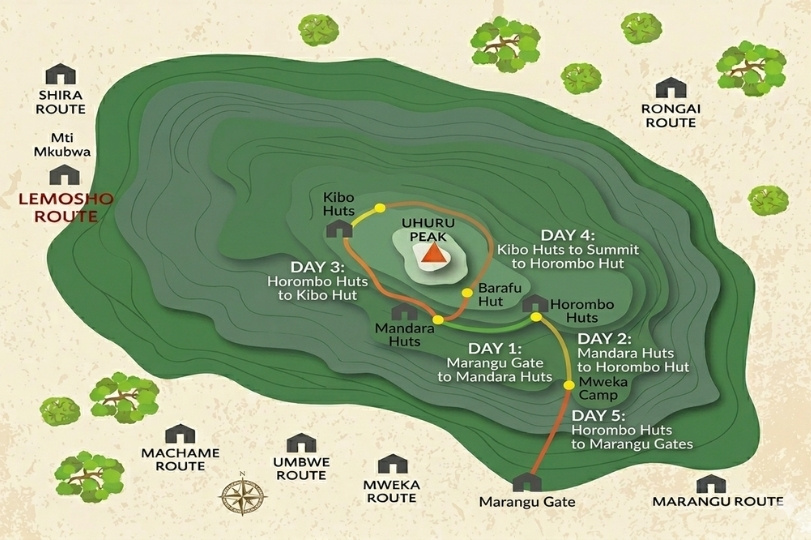
Your Kilimanjaro adventure begins with a morning drive from Arusha to Marangu Gate, on the mountain’s southeastern slope. After registration and a brief briefing, you’ll meet your guide and support crew, then step onto the trail. The first day is gentle, a perfect warm up. You’ll hike through montane rainforest, a world of moss draped trees, colorful birds, and if you’re lucky, glimpses of blue monkeys or the elusive colobus. The path is well defined and the altitude gain is modest, helping your body start to adjust. Mandara Huts, your first night’s home, offers cozy wooden bunks and a communal dining area. Dinner is served warm, and your guide will brief you on the days ahead.
Highlights: Rainforest immersion, wildlife spotting, gentle first day, hut comfort.
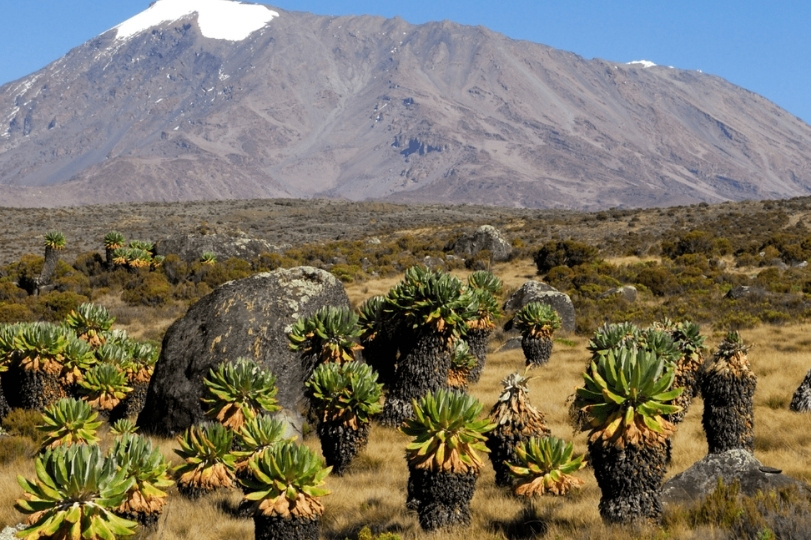
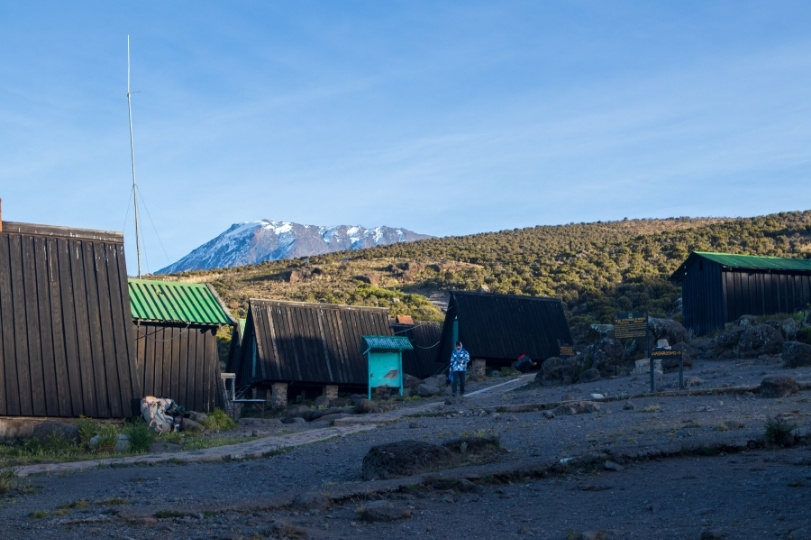
Today the forest begins to thin as you climb higher. The trail opens up into moorland, where giant heathers and lobelias create an almost otherworldly landscape. The air is crisper, the views wider. You might spot the occasional Kilimanjaro serval or hear the call of exotic highland birds. The hike is steady but manageable, with plenty of time for photos and questions. Horombo Hut sits on the saddle between Kibo and Mawenzi peaks, with sweeping views of both. This is where the mountain starts to reveal its scale. Your crew will have hot drinks waiting, and dinner will taste especially good after a day on the trail.
Highlights: Moorland scenery, giant lobelias, expanding views, first glimpse of Kibo.
This is a tougher day, with a steeper climb through alpine desert terrain. Vegetation becomes sparse, and the landscape feels more lunar, rocky outcrops, loose scree, and vast open skies. The trail leads to Kibo Hut, your base for summit night, sitting at about 4700 meters. The afternoon is for rest, hydration, and mental preparation. Your guides will brief you on summit night, explaining the gear, the pace, and what to expect. Try to nap, stay warm, and trust the process. The huts here are basic but shelter you from the wind, a small comfort at this altitude.
Highlights: Alpine desert landscape, Kibo Hut arrival, summit briefing, mountain solitude.
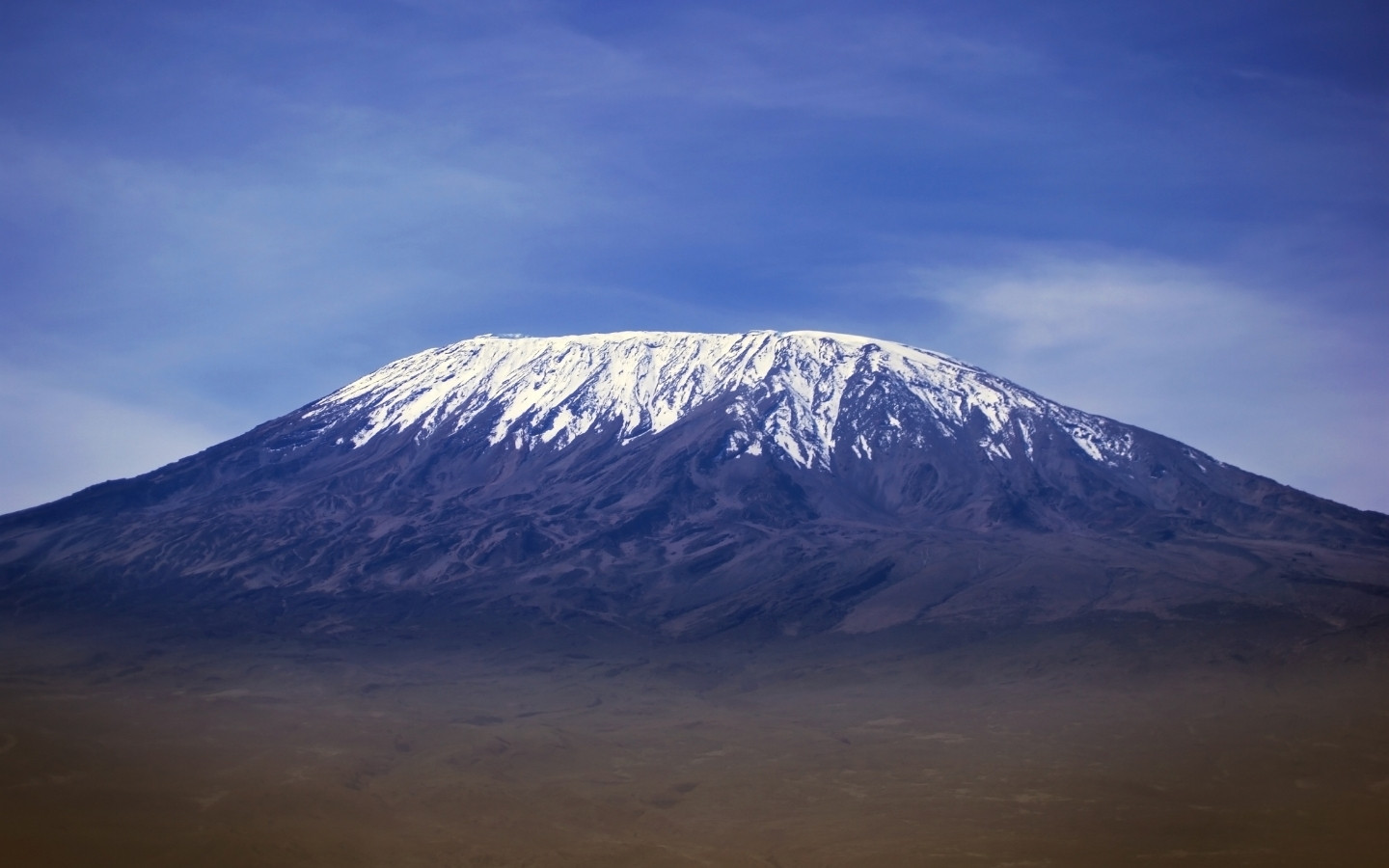
Summit day starts around midnight. You’ll wake to hot tea and biscuits, then begin the ascent in the dark, headlamps lighting the path. The climb is steady and slow, a test of mental and physical endurance. As you reach Gillman’s Point at sunrise, the view over the crater rim and the glaciers below is worth every step. From there, it’s another hour or so along the ridge to Uhuru Peak, the true summit at 5895 meters. Take your photos, absorb the moment, then begin the long descent. You’ll return to Kibo Hut for a short rest and breakfast, then continue down to Horombo Hut. Exhausted but elated, you’ll celebrate with your crew.
Highlights: Midnight summit push, sunrise at Gillman’s Point, Uhuru Peak achievement, celebratory descent.
Your final day on the mountain is a gentle descent through the moorland and rainforest back to Marangu Gate. The air is warmer, the path softer underfoot. It’s a time to reflect, to share stories with your fellow trekkers, to thank your guides and porters who made this journey possible. At the gate, you’ll receive your summit certificates, a tangible reminder of what you’ve accomplished. After a brief celebration, we’ll transfer you back to your hotel in Arusha or to the airport for your onward journey. You’ll leave tired, proud, and maybe a little changed.
Highlights: Forest descent, summit certificate ceremony, crew appreciation, journey end.