Lake Manyara National Park may be one of the smaller parks on Tanzania’s northern circuit, but what it lacks in size it more than makes up for in variety. Stretching just 330 square kilometers most of which is the lake itself this compact park packs groundwater forests, open grasslands, acacia woodlands, and the shimmering soda lake into one unforgettable landscape.
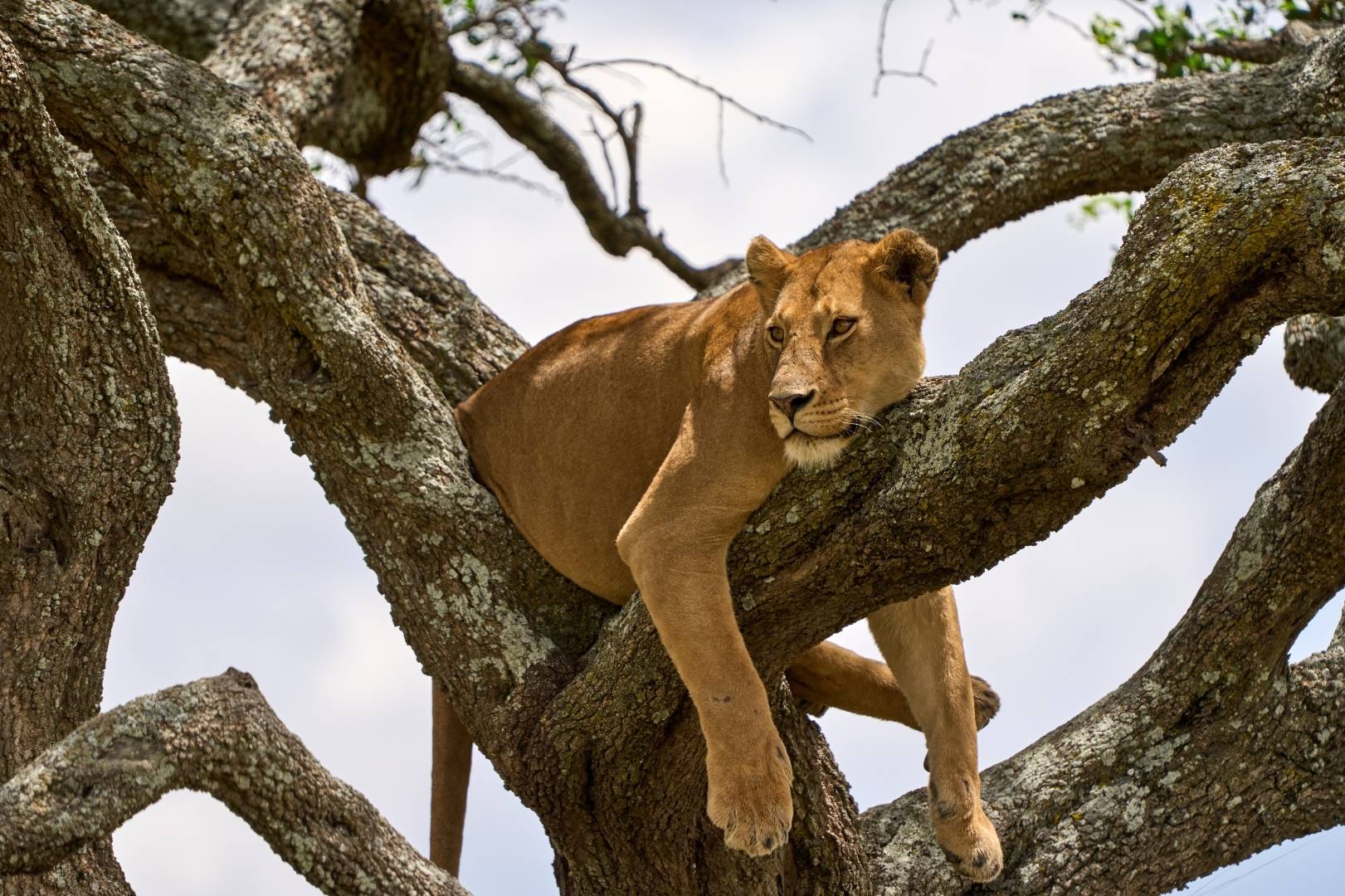
Tucked between the dramatic Rift Valley escarpment and the alkaline waters of Lake Manyara, the park feels intimate and immersive. It’s the kind of place where troops of baboons greet you at the gate, elephants wander through forest thickets, and lions do something they rarely do elsewhere: climb trees and sprawl across the branches like oversized cats surveying their kingdom.
Lake Manyara made its name on the tree‑climbing lions that drape themselves across acacia branches a behavior so consistent here that it has become the park’s signature. But there is far more to Manyara than lions in trees.
The park supports a dense population of elephants, often seen weaving through the groundwater forest with a quiet patience that belies their size. Hippos crowd the shallows near the lake’s edge, while large herds of buffalo and zebra graze the open grasslands. Olive baboons are everywhere, their noisy troops numbering in the hundreds, making Manyara one of the best places in Tanzania to observe primate behavior.
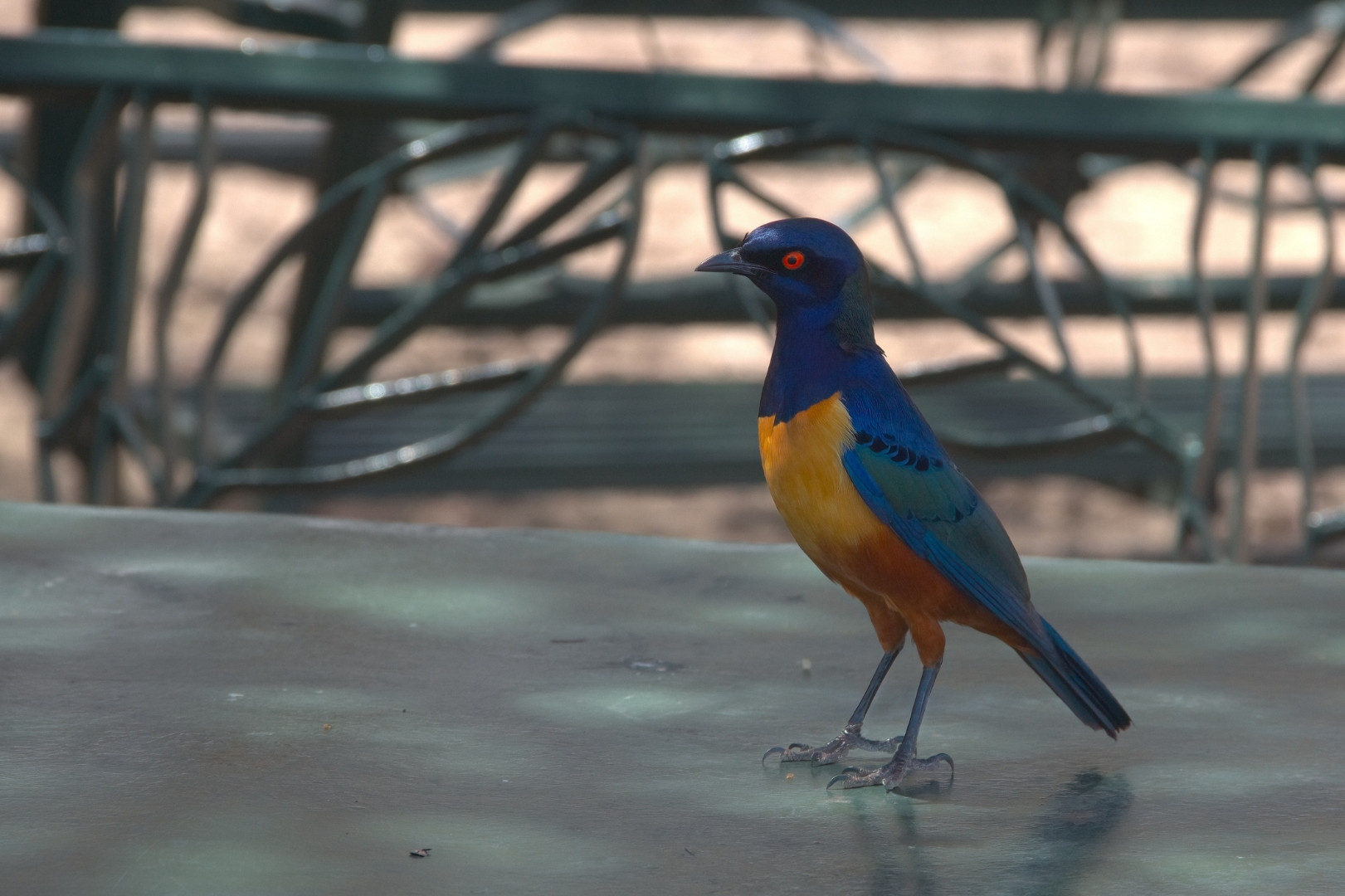
For bird lovers, the lake steals the show. During the wet season, thousands of pink flamingos gather along the shoreline, creating a ribbon of color against the blue‑grey water. Pelicans, storks, ibises, and the aptly named African fish eagle fill the skies. With over 400 bird species recorded, Manyara is a birder’s dream packed into a surprisingly small space.
What sets Lake Manyara apart is its setting. The park hugs the base of the towering Rift Valley escarpment, a sheer wall of ancient rock that rises dramatically from the forest canopy. The contrast is immediate: to one side, the cliff face catching the morning light; to the other, the vast, shifting surface of the soda lake, its color changing from deep blue to silver to pale pink depending on the season.
In between lies a succession of habitats that few parks can match in such a compact area. The groundwater forest fed by springs from the escarpment is a cool, cathedral‑like world of fig trees and mahogany, where blue monkeys leap overhead and forest hornbills call through the mist. Open acacia woodlands give way to grassy floodplains, and finally the lake itself, its shores dotted with lapping waves and wading birds.
Whether you’re watching a lion doze in a tree with the escarpment as a backdrop, or standing on the lakeshore as the sun sets behind thousands of flamingos, Lake Manyara leaves an impression that lingers long after you’ve driven out of its gates.